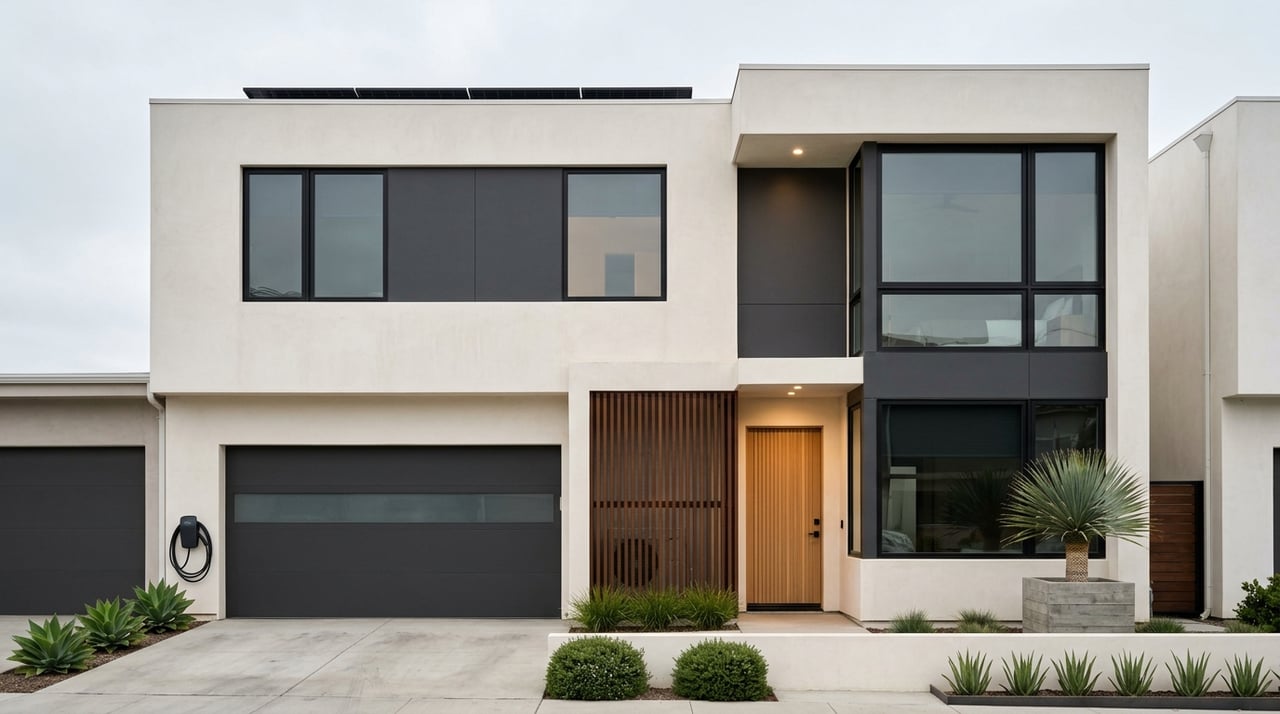
If you want a newer home in Redondo Beach, you are searching in one of the South Bay’s tightest categories. Most of the city’s housing stock is older, and truly new or heavily updated properties tend to appear in specific pockets rather than across every neighborhood. The good news is that if energy efficiency matters to you, today’s newer homes and smart remodels can offer meaningful savings, lower maintenance, and a more comfortable day-to-day lifestyle. Let’s dive in.
Why newer homes are limited
Redondo Beach is a built-out coastal city, which shapes what you will actually find on the market. According to the city’s adopted housing element, more than two-thirds of the housing stock is over 40 years old, which helps explain why newer homes stand out when they hit the market. The same report also notes a mix of both single-family and multi-family housing, with a substantial share of attached housing in the city’s inventory.
That matters because limited land usually means limited new construction. The city’s land-use planning documents describe Redondo Beach as predominantly built out with very few vacant sites, so new housing tends to show up as infill development instead of large subdivisions. In practical terms, that often means townhomes, condos, and multi-unit projects rather than brand-new detached homes on big lots.
Where newer homes appear in Redondo Beach
If you are hoping to find newer construction, location matters. The city’s 2024 land-use draft points to Residential Overlay areas in places like the North Redondo Tech District, north Kingsdale, areas south of the transit center, south of the Galleria, several stretches of 190th Street, and south PCH east of Palos Verdes Boulevard. These areas are where newer attached homes and infill projects are more likely to appear.
Some of these locations are also tied to transportation and commercial corridors. The city notes that areas near the transit center and Galleria are close to existing or planned Metro stops, which supports the idea that future housing growth will stay concentrated in targeted pockets rather than spread evenly through the city. You can review that planning context in the Redondo Beach land-use draft.
By contrast, the same planning document says Riviera Village is intended to remain a lower-density, village-like district with limited residential growth. If you are set on newer inventory, that is one reason your search may be more productive in overlay areas and along major corridors.
What newer housing looks like today
In Redondo Beach, newer homes are often attached, vertical, and designed for lower-maintenance living. Recent and current examples include a 43-unit housing development at 122-126 N Pacific Coast Highway, a 30-unit Catalina Avenue project that includes 22 three-story townhomes, Shea Homes’ Foundry community with 36 townhomes, and a Toll Brothers townhome community announced for PCH.
For buyers, this product type comes with a recognizable pattern. You should expect to see smaller footprints, multiple stories, attached garages, rooftop decks, and easier-care exteriors more often than oversized yards or sprawling one-story layouts. That tradeoff is common in coastal infill markets where land is scarce and demand remains strong.
Why energy efficiency matters more now
In a market where newer homes can command a premium, energy efficiency becomes more than a nice extra. It can be part of the value equation, especially when you compare a newer home to an older property that may need system upgrades soon after closing.
California’s building standards have raised the bar for new homes. The 2022 California Energy Code applies to permit applications on or after January 1, 2023, and requires solar photovoltaic systems for newly constructed single-family residential buildings, including townhouses. The code also includes solar-ready requirements in certain cases and promotes efficient heat pumps, electric-ready features, stronger ventilation, and battery-storage readiness.
For homes permitted on or after January 1, 2026, the 2025 California Energy Code update adds even more focus on heat pumps, better walls and windows, smarter HVAC controls, improved ventilation, electric-ready features, and expanded EV charging access in multifamily settings. In short, many newer homes are being built with efficiency and electrification in mind from the start.
Energy-efficient features to look for
When you tour newer or recently remodeled homes in Redondo Beach, it helps to know what actually matters. Some features affect comfort and utility costs right away, while others set you up for easier upgrades later.
Here are some of the most useful features to watch for:
- Solar panels and clear solar ownership terms
- Heat pump HVAC systems
- Heat pump water heaters
- Smart thermostats
- Better insulation and air sealing
- Efficient windows
- Electric-ready wiring or panel capacity
- Battery-storage readiness
- Stronger whole-home ventilation
- EV charging capability, especially in multifamily homes
These features are especially relevant in coastal markets where comfort, operating costs, and low-maintenance ownership all matter. A home that is already built to newer standards may help you avoid a long list of post-close projects.
New build versus remodeled older home
In Redondo Beach, many buyers end up deciding between a newer attached home and an older property that has been upgraded. Both paths can make sense, but the right fit depends on your priorities.
A newer home may offer code-driven efficiency, lower near-term maintenance, and a more turnkey experience. On the other hand, an older home with thoughtful improvements can still deliver strong performance if the major systems have been modernized.
The U.S. EPA highlights a practical efficiency upgrade bundle for older homes that includes heat pump HVAC, a heat pump water heater, a smart thermostat, efficient windows, insulation and attic sealing, plus electric-ready wiring or panel improvements. According to the EPA’s ENERGY STAR guidance, that package is estimated to save more than $500 per year on average, and eligible federal tax credits can cover 30% of project costs, up to $3,200 for qualifying upgrades like heat pumps, windows, and insulation.
What this means for pricing
Redondo Beach pricing helps explain why newer and energy-efficient homes often sit near the top of the market. Census QuickFacts reports a median value of $1,279,200 for owner-occupied homes and median monthly owner costs with a mortgage of $3,995. At the same time, Zillow’s Redondo Beach home value page places the city home value estimate at $1,457,648, with homes going pending in around 27 days.
The research also notes neighborhood-level pricing that shows a South Redondo Beach median sale price of $1.7 million and a North Redondo Beach median sale price of $1.537 million. In a built-out market with scarce land, it is not surprising that newer homes, especially those with updated systems and lower operating costs, often command a premium.
That premium does not automatically mean a home is overpriced. It often reflects the value of newer construction, reduced maintenance, better efficiency, and limited supply. The key is making sure the home’s features and long-term cost picture support the asking price.
A smart due diligence checklist
Whether you are buying brand-new construction or a remodeled older home, details matter. Before you move forward, make sure you understand not just the finishes, but the infrastructure behind them.
Use this checklist as a starting point:
- Review permit history for new construction or major remodels
- Confirm whether solar is owned, financed, or leased
- Ask about the roof’s age and condition
- Verify HVAC age, type, and efficiency
- Check insulation and window quality
- Confirm electrical panel capacity
- Ask whether the home is solar-ready or electric-ready
- Review EV charging setup if applicable
- Understand any HOA rules for attached homes
- If the property is in the coastal zone, ask whether additional approvals applied
Redondo Beach notes that construction permits are required for all new construction, that most residential projects are approved in two to four months, and that coastal development permits can add several months for coastal-zone projects. For buyers, that context can help you better evaluate timing, paperwork, and the quality of a home’s improvement history.
How to approach your search
If you want newer and more energy-conscious housing in Redondo Beach, it helps to stay flexible on home type. You may find that the best match is a townhome or condo in an infill location rather than a detached home with a large yard.
It also helps to compare total ownership costs, not just list price. A home with newer systems, better efficiency, and fewer immediate repair needs may offer stronger value over time than an older home that looks cheaper on paper but needs major upgrades soon after you move in.
Most of all, local guidance matters in a market this specific. In Redondo Beach, the difference between a good fit and a frustrating search often comes down to knowing where the newer inventory tends to appear, how to evaluate energy features, and how to spot value beyond the surface finishes.
If you are weighing newer construction, a remodeled coastal home, or a lower-maintenance townhome in Redondo Beach, working with a local advisor can help you compare options with more clarity. When you are ready to explore your next move in the South Bay, connect with Justin Drury for a thoughtful, concierge-level approach.
FAQs
Where can you find newer homes in Redondo Beach?
- Newer homes in Redondo Beach tend to be concentrated in select infill and overlay areas, including parts of North Redondo, areas near the transit center and Galleria, stretches of 190th Street, and sections of south PCH east of Palos Verdes Boulevard.
What types of newer homes are most common in Redondo Beach?
- Most newer housing in Redondo Beach is attached and infill-oriented, such as townhomes, condos, and multi-unit developments, rather than large-lot detached homes.
What energy-efficient features should you look for in a newer Redondo Beach home?
- Look for solar panels, heat pump HVAC, heat pump water heaters, efficient windows, strong insulation, smart thermostats, electric-ready wiring, battery readiness, ventilation upgrades, and EV charging capability where applicable.
Are energy-efficient homes in Redondo Beach more expensive?
- Newer and energy-efficient homes often cost more upfront because they are limited in supply and may include newer systems, lower maintenance needs, and features that can reduce operating costs over time.
What should you verify before buying a newer or remodeled home in Redondo Beach?
- You should review permit history, solar terms, roof age, HVAC type and age, insulation, windows, electrical panel capacity, and any solar-ready or electric-ready infrastructure before moving forward.
Can older Redondo Beach homes be upgraded for better energy efficiency?
- Yes. Older homes can be improved with upgrades like heat pump HVAC, heat pump water heaters, insulation, efficient windows, smart thermostats, and panel improvements, and some qualifying upgrades may be eligible for federal tax credits.