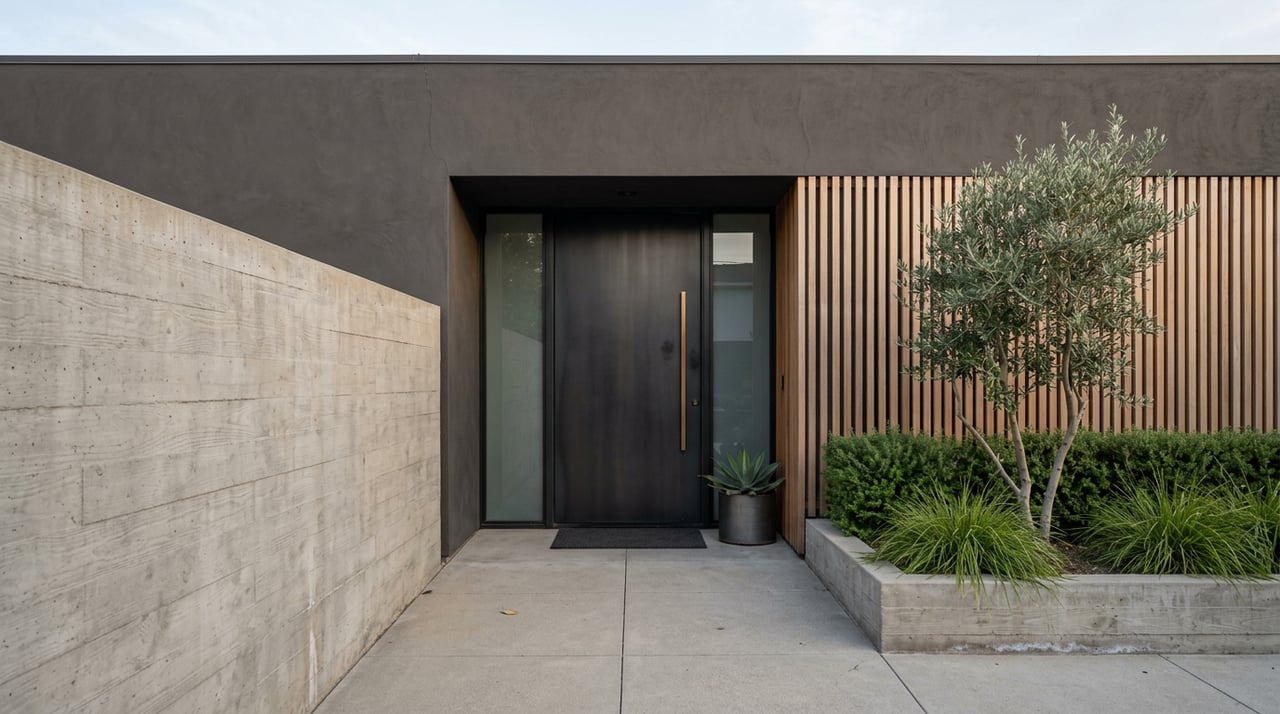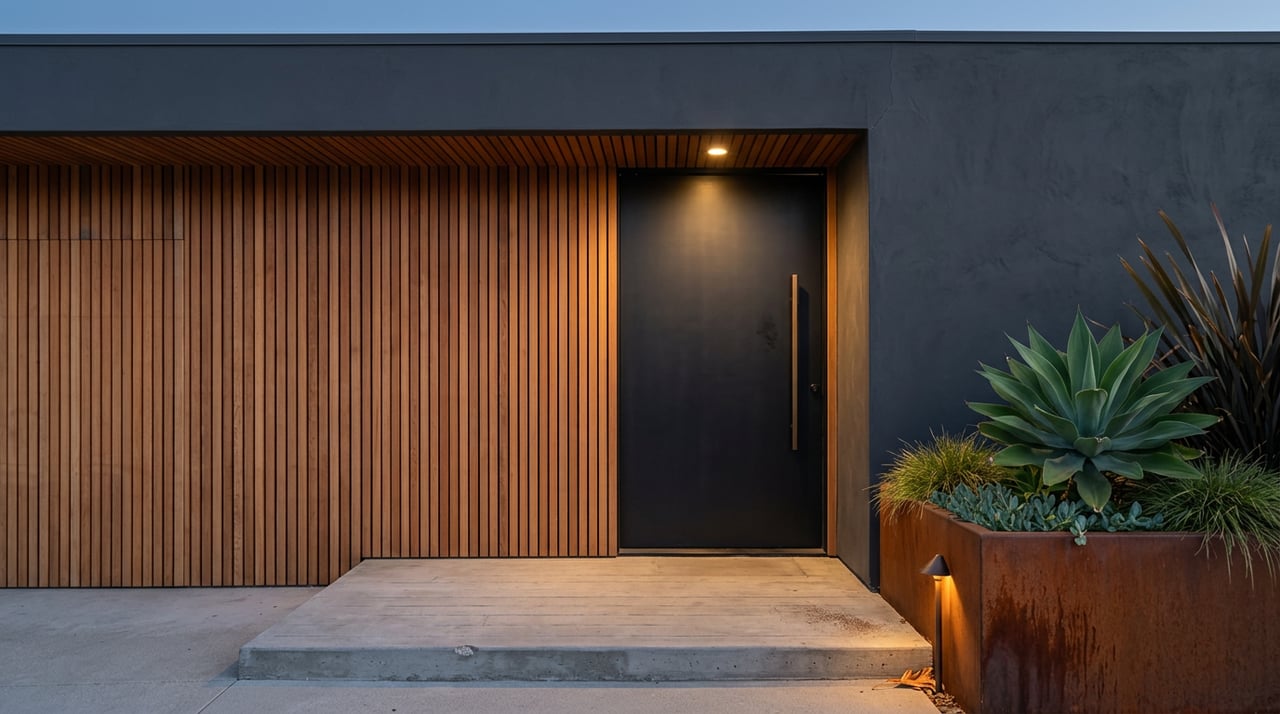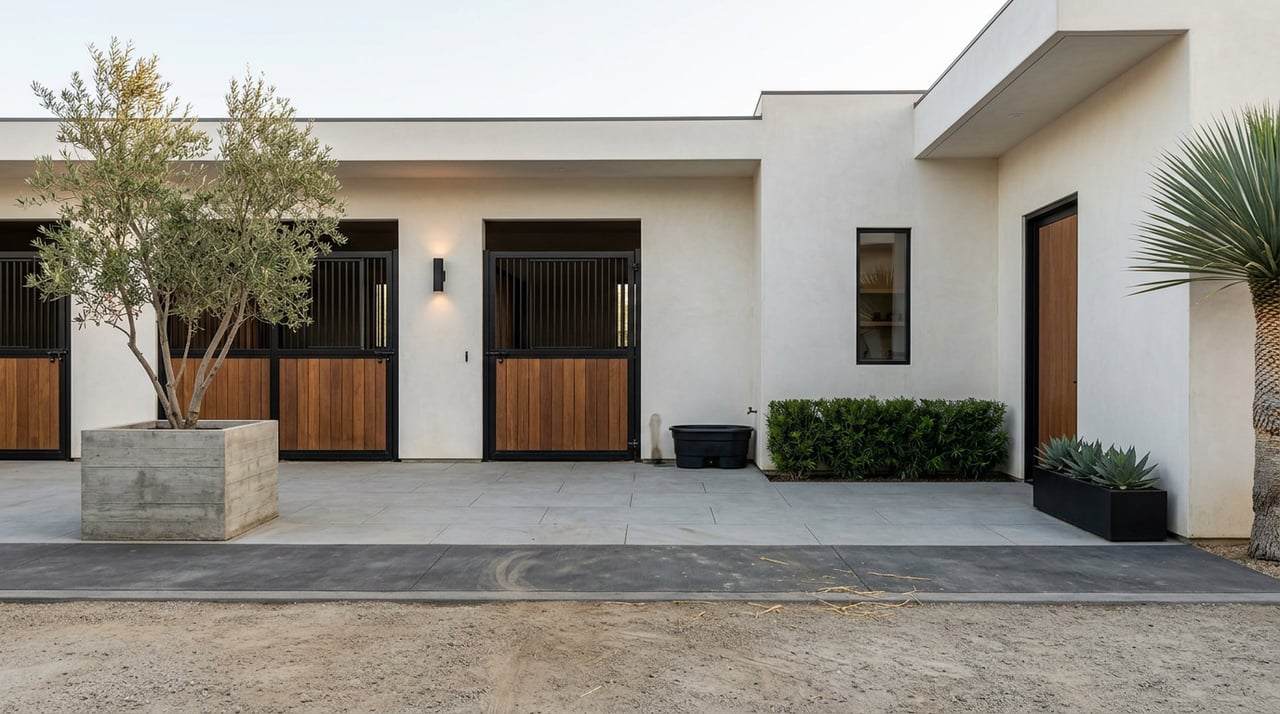
Ever pictured saddling up at home, then stepping straight onto a shady bridle trail just minutes from the beach? If you love horses and a calm, outdoor lifestyle, Rolling Hills Estates delivers both. You might be early in your search or comparing neighborhoods, but you want clear answers on trails, zoning, and what to look for in a horse-ready property. This guide shows you how equestrian living works here, what features matter, and the key steps to buying with confidence. Let’s dive in.
Why Rolling Hills Estates works for riders
Rolling Hills Estates is built for horses. The City notes it maintains more than 20 miles of community bridle trails that weave through quiet streets and open spaces, connecting homes to arenas and parks. You can explore that network on the City’s equestrian and bike trails page.
You also have public equestrian facilities in town. The City’s equestrian programs include the long-running Peter Weber Equestrian Center for lessons, boarding, and camps, plus community arenas and rings for local events and schooling. Active local groups, like the Palos Verdes Peninsula Horsemens Association, offer trail guides, etiquette tips, and organized rides that help you plug into the community quickly.
Ernie Howlett Park is a central venue for local horse shows and community programming. Between the parks, trails, and clubs, you get a true horse culture supported by the City and local organizations.
- Explore the City’s trail system: equestrian and bike trails
- Learn about City equestrian programs: City equestrian page
- Check out local riding groups: PVPHA
- Lessons and boarding option: Peter Weber Equestrian Center
Trails, access, and etiquette
Public vs. gated trails
Trail access varies by location. Many bridle paths are city-maintained and open to the public. Others run inside gated or association-controlled areas where rules and access are limited. For example, trails within the Rolling Hills Community Association require badges and resident or guest access. Always confirm access rules before you plan a ride across gates or through private trailheads.
- Review association rules: RHCA bridle trails
Know the rules before you ride
Trail etiquette typically includes yielding guidelines, daylight-only use in some areas, and restrictions on bicycles on bridle-only trails. The City or the association that maintains a trail enforces those rules. When in doubt, check the City’s trail page or a local group like PVPHA for current maps and guidance.
Seasonal closures and safety
Parts of the Palos Verdes Peninsula experience land movement that can lead to temporary trail or shoreline closures, especially around Portuguese Bend. If a specific trail or trailhead matters to you, monitor local notices before you rely on that route. The neighboring city of Rancho Palos Verdes posts updates on closures and safety work.
Wildfire readiness is also part of horse ownership in Southern California. Rolling Hills Estates participates in brush-clearance and defensible-space programs that help reduce risk. Build evacuation planning for large animals into your household safety plan and confirm you have practical trailer egress from your driveway.
- Check regional closure notices: Portuguese Bend updates
- Learn local defensible-space rules: Brush clearance
What to look for in a horse-ready property
Lot and layout
Acreage alone does not guarantee a great horse setup. Focus on usable flat area, safe access to a bridle trail, and space to maneuver a trailer. Look for existing improvements that fit your needs, like fenced turnout, covered hay storage, and a functional barn.
Barn and stalls
A common standard for adult horse stalls is 12' x 12', with larger sizes for big breeds or broodmares. Inspect ventilation, roof condition, electrical safety, and fire risks around hay storage and hot-water systems. If you plan to remodel or expand, budget for permits and professional installation.
- Stall design basics: equine stall planning
Turnout and pasture
Usable space and fencing matter more than total acres. As a planning guide, extension resources often suggest roughly 1 to 2 acres per horse on well-managed pasture, with 2 or more acres per mature horse for continuous grazing in many climates. Actual needs depend on pasture quality, supplemental feeding, and local rules, so treat these figures as starting points.
- Pasture guidance: managing horse pastures
Arena, access, and permits
Confirm that a truck and trailer can turn safely on your driveway and that street width, easements, or CC&Rs do not limit parking. If you want to add or enlarge a ring, round pen, or barn, plan for municipal permits and any HOA review. The City’s project documents show how arena and stable renovations are permitted.
- See permitting context: City project example
Zoning, overlays, and HOA rules
Rolling Hills Estates uses a Horse Overlay in its land-use documents to identify where horsekeeping is permitted and preserved. Whether you can legally keep horses on a property depends on that parcel’s zoning, overlay status, and permit history. Always request a zoning verification letter from the City for the specific address.
In gated or association neighborhoods, CC&Rs can set stricter rules than city code. CC&Rs may limit the number of animals, specify fencing types, and require architectural review for new barns or arenas. Ask the seller for CC&Rs and any HOA approvals early so you understand what is allowed.
- Understand the Horse Overlay: City Housing Element reference
- Review association trail policies: RHCA bridle trails
Budgeting and everyday services
Owning horses at home adds ongoing costs. Plan for vet and farrier visits, feed and hay storage, water for wash racks and arena dust control, fence repair, manure removal or composting, and arena footing maintenance. If your lot cannot support full-time boarding, local centers like the Peter Weber Equestrian Center offer lessons and boarding.
For insurance, talk with a broker who understands equine, farm, and ranch coverage. If you board other people’s horses or teach lessons, discuss care, custody, and control coverage and general liability. Ask about replacement cost levels for barns and arenas and how wildfire exposure affects premiums.
Buyer due diligence checklist
Use this quick list to keep your search on track.
- Verify zoning and Horse Overlay status for the exact parcel and request a written zoning verification letter from the City.
- Ask the seller for CC&Rs, HOA rules, and any past approvals or violations related to barns, arenas, or fencing.
- Order specialized inspections: barn structures and roofs, electrical and hot-water systems, plumbing and water supply, septic and leach fields, fencing, pasture/soil, and site drainage or erosion.
- Confirm trailer access, driveway width, and turning radius; check street and utility easements that could limit access.
- Verify recorded trail easements if you expect direct bridle-trail access from the property.
- Review wildfire defensible-space requirements and brush-clearance status; build a large-animal evacuation plan.
- Price out ongoing costs and vendors, and consider whether partial or full boarding at a local facility makes sense for your schedule.
Market and timing: what to expect
Rolling Hills Estates is a higher-priced market with limited inventory. Horse-ready homes are a niche within that, and the most desirable properties add value with usable flat acreage, permitted horsekeeping, and direct trail access. If a property checks your boxes, move quickly on due diligence so you can confirm zoning, access, and permits while you negotiate.
Ready to explore equestrian living?
If you want a home where trail time fits into everyday life, Rolling Hills Estates is an excellent place to start. When you are ready, let a local, concierge-style approach guide you through zoning, inspections, and the best neighborhoods for horses. To talk through options and map a plan, reach out to Justin Drury.
FAQs
Can you keep horses on any property in Rolling Hills Estates?
- No. Horsekeeping depends on the parcel’s zoning, Horse Overlay status, and permit history, and it may also be limited by CC&Rs. Always request a zoning verification letter and review any HOA rules.
How much land do you need per horse in this area?
- As planning guidance, many extension resources suggest roughly 1 to 2 acres per horse on well-managed pasture, with 2 or more acres for continuous grazing, but actual needs vary by pasture quality and local rules.
Are all Rolling Hills Estates bridle trails public and always open?
- No. Some trails are city-maintained and public, while others in gated or association areas require badges or resident access. Trail segments can also close temporarily for safety or maintenance.
What inspections should you order before buying a horse property?
- Add barn and structural, electrical, plumbing and water supply, septic and leach fields, fencing, pasture/soil, and site drainage or erosion assessments. Consider an equine-facility specialist if available.
How do wildfire and landslide risks affect horse owners on the Peninsula?
- You should follow defensible-space and brush-clearance rules, plan large-animal evacuation routes, and monitor regional notices about temporary trail closures related to land movement. These factors can also affect insurance and permitting.