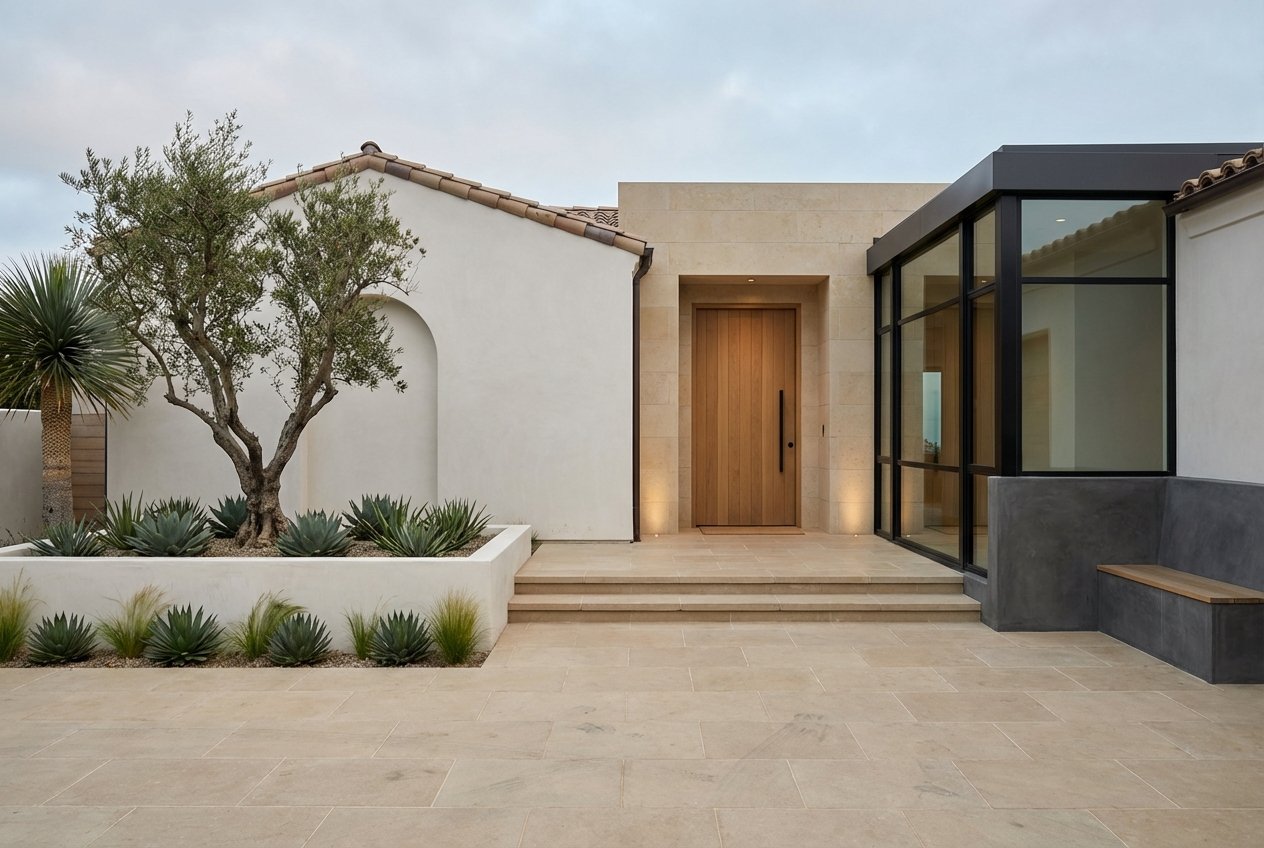
What if you could choose your daily view — ocean horizons or twinkling city lights — simply by picking the right street and home style in Palos Verdes Estates? If you are comparing options across 90274, you are likely weighing classic Mediterranean charm against glassy modern lines, plus questions about slopes, courtyards, and bluff rules. You want a home that fits how you live today and holds value tomorrow. In this guide, you’ll learn how architecture and micro‑location shape lifestyle and price in PVE, plus a practical checklist to shop smarter. Let’s dive in.
Why PVE looks the way it does
Palos Verdes Estates was planned as a park‑like residential community with design controls that still matter today. The Palos Verdes Homes Association (PVHA) uses an Art Jury to review exterior design and landscape changes in addition to City permits. That dual process helps protect neighborhood character and views. You can review what typically needs approval on the PVHA Art Jury page.
The city’s early vision leaned into a Mediterranean vocabulary that fit the climate and the original landscape plan. Stucco walls, tile roofs, and courtyards became part of the local identity, reinforced by early landmarks like the Malaga Cove Library. For a quick window into that heritage, explore this local reference on Mediterranean style and history from the Palos Verdes Library District.
Before you remodel, note that roofs, windows, grading, and even some tree and landscape actions often require PVHA sign‑off. You can find applications and guidance in the PVHA resources section.
Architectural styles you’ll see
Mediterranean and Spanish Colonial Revival
You will notice stucco, low‑pitched clay tile roofs, arched openings, and iron accents. Many of these homes center daily life around courtyards and loggias that feel private and shaded. On sloped sites, split‑level layouts often push living spaces toward the view while keeping the courtyard as a calm interior anchor. This is what many buyers think of as “traditional Palos Verdes.” For local context and examples, see the library’s feature on Mediterranean architecture.
Ranch, traditional and Cape‑Cod‑influenced cottages
Single‑level or split‑level plans are common, with simpler rooflines and brick or wood accents. Flatter parcels usually mean larger usable backyards and easier day‑to‑day flow. Valmonte and some lower‑elevation streets are known for this feel. For a neutral neighborhood snapshot, check this overview of PVE and Valmonte’s flatter, tree‑lined streets.
Mid‑century and modern
Look for open plans, long horizontal rooflines, and large panes of glass or sliders that point squarely at the panorama. These homes make the view the main event, often with decks that extend living outside. They can require attention to glazing performance, insulation, and sometimes structural considerations on hillside lots. For a concise read on mid‑century traits and maintenance focus, see this mid‑century architecture primer.
Contemporary and transitional
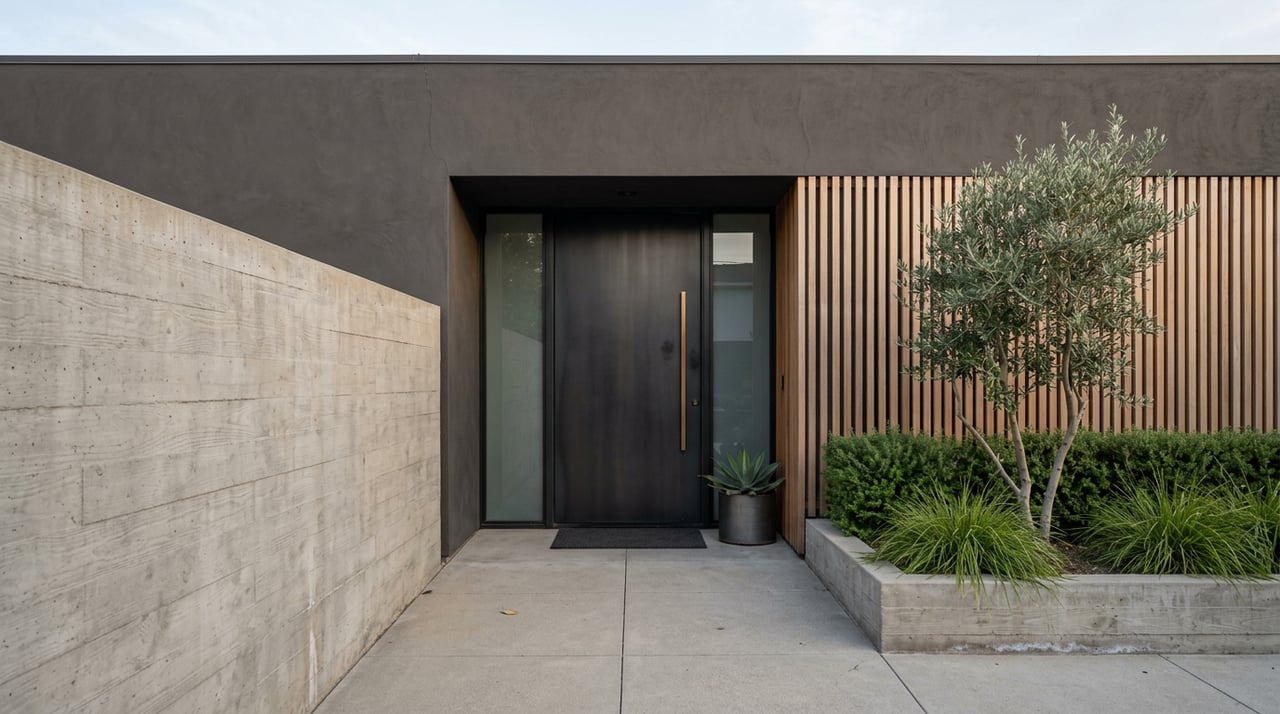
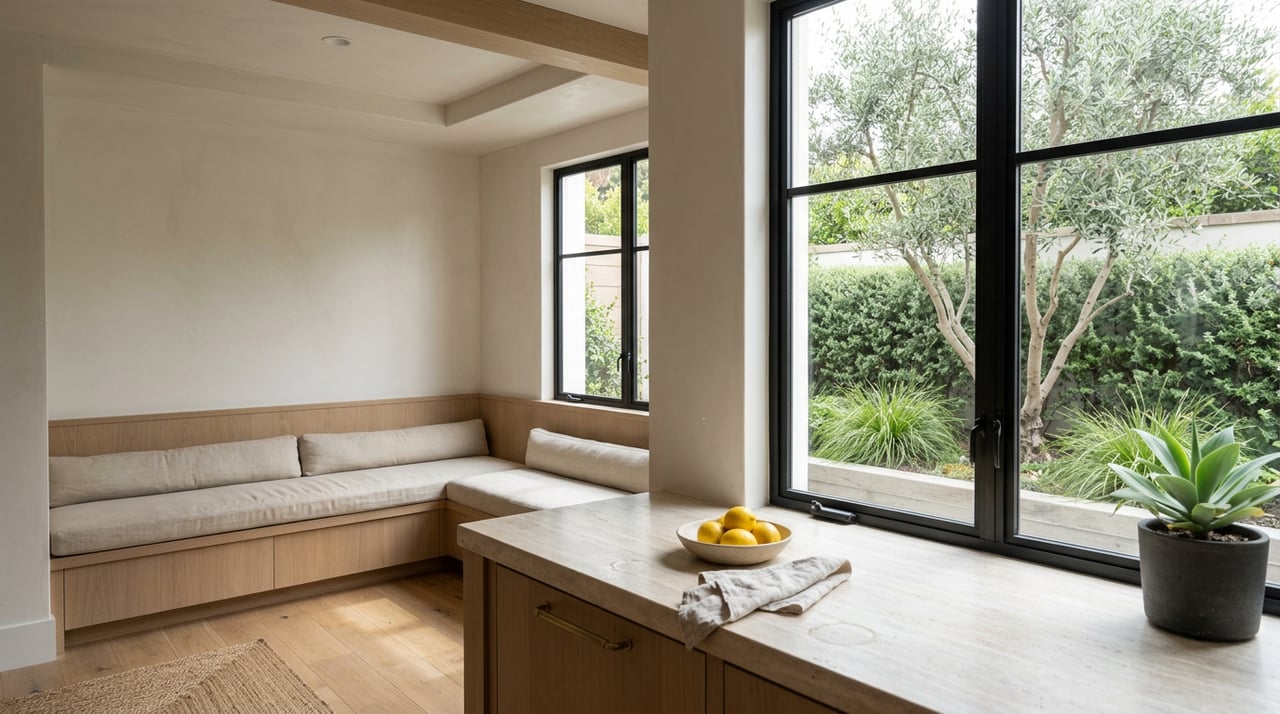
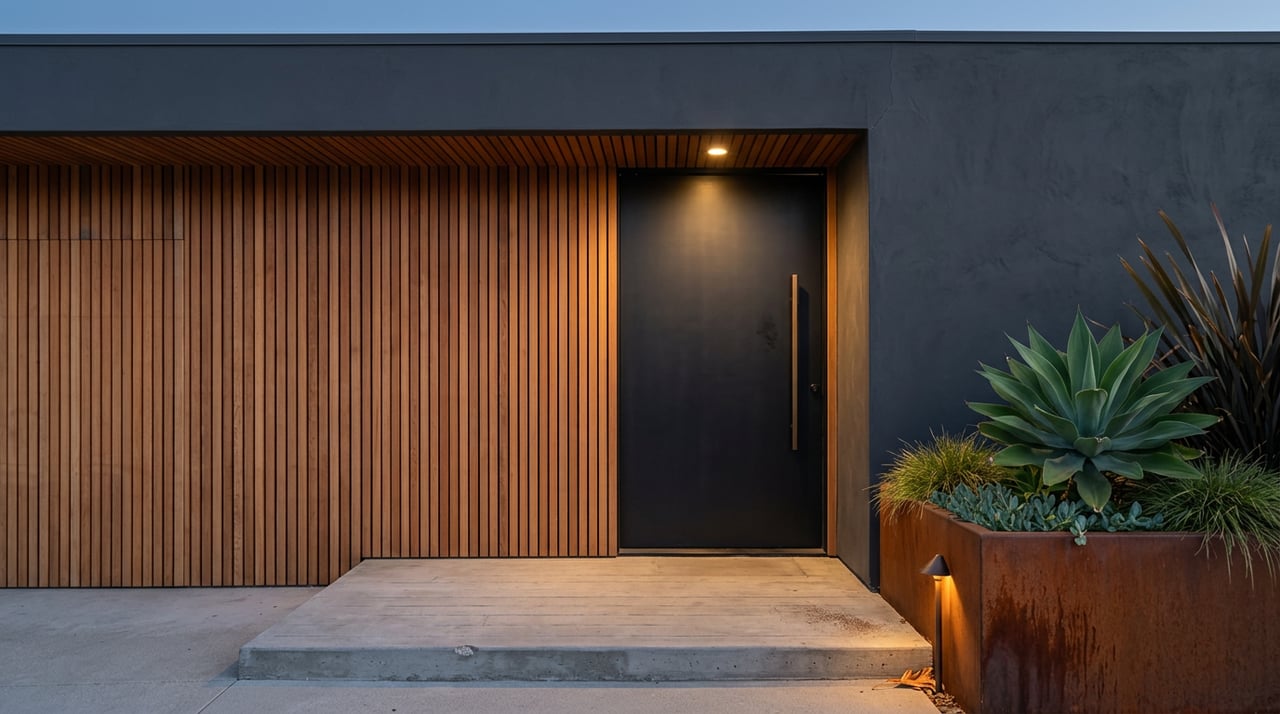
Many newer luxury builds favor clean lines, big openings, and minimalist finishes. They tend to appear on larger or higher‑elevation parcels where expansive vistas reward the investment. Expect open interiors that frame the ocean or city lights with as much glass as the site and reviews allow.
Other local types
You will also find selective Craftsman, Tudor, and eclectic homes on older interior streets. The overall read across PVE is Mediterranean heritage, followed by ranch and mid‑century adaptations that respond to the terrain.
How lots and views shape daily life
Common lot types in 90274
- Bluff and cliff‑top parcels: Places like Paseo del Mar and lower Lunada Bay sit at the edge of protected bluffs. These homes often enjoy sweeping ocean and Catalina views. Public outlooks like Roessler Point offer the famous “Queen’s Necklace” perspective across the South Bay coastline. Explore a visual of this shoreline in this coastline overview.
- Ridge and hilltop parcels: Higher elevations can deliver 180‑degree vistas that may include ocean by day and city lights by night. Larger lots and newer luxury construction often appear on these ridgelines.
- Terraced hillside parcels: Stepped designs carve out decks and patios while preserving view corridors. Retaining walls and graded paths help create usable outdoor areas on sloped ground.
- Flatter interior parcels: Valmonte and some Malaga Cove pockets offer more lawn, shade, and play space, with fewer direct ocean panoramas. See a neutral take on these street patterns in the PVE neighborhood overview.
Orientation and the “view rule of thumb”
- South, southwest, and west exposures typically capture the broadest ocean and Catalina views and sunsets.
- North or inland exposures are more likely to frame the Los Angeles basin and nighttime city‑light panoramas.
- Mediterranean and courtyard‑driven plans often emphasize privacy and shade. Mid‑century and contemporary designs tend to open up with glass toward the view. For a quick primer on how modern plans use glazing, see this mid‑century guide.
Coastal rules and geotechnical reality
If you are shopping near the bluffs, expect coastal‑zone rules to shape what is possible. Palos Verdes Estates enforces a certified Local Coastal Program that typically requires coastal development permits and geologic reports for work near bluff edges. The case Kocarslan v. City summarizes how these protections work locally and why permits matter near bluffs. You can read that summary here: Kocarslan v. City of Palos Verdes Estates.
PVHA covenants also cover trees and view protection. There is a documented process for trimming and resolving view disputes, and the covenants are enforceable. For background, see this overview of PVHA covenants and tree disputes in a related case summary.
Lifestyle trade‑offs by style and setting
- Mediterranean villas: Courtyards, loggias, and layered landscaping create a calm, inward‑focused outdoor room that feels private. Daily life centers on shaded patios, stucco textures, and a quieter street presence. See historical context in this Mediterranean overview.
- Ranch and traditional homes: Single‑level living and flatter yards make it easier to move through the home, host gatherings, or add play space. Many buyers appreciate fewer stairs and a direct connection to the backyard.
- Mid‑century and contemporary ridge homes: Floor‑to‑ceiling glass and wide decks put the panorama first. It feels cinematic, especially at sunset. Plan for glazing care, energy performance, and sometimes structural considerations on steeper sites, as discussed in this mid‑century primer.
What drives price in PVE
The baseline is high. In January 2026, the median sale price in 90274 was about 2,492,500 dollars. From there, value is largely about micro‑location, slope, and how the home uses its site.
Published research shows that water views can command significant premiums, especially when the view is full and unobstructed. Hedonic studies report wide ranges, with the largest premiums tied to high‑quality ocean outlooks. Results vary by market, distance, and measurement method, so local comparable sales matter most. For a classic overview of view premiums, see Benson et al., The Value of a View.
A simple way to frame price differences:
- View quality and scope. Full ocean and Catalina views usually outpace partial or peek‑a‑boo views.
- Lot usability and slope. Flat yards trade panorama for play space. Steeper lots trade lawn for decks and sightlines.
- Architectural program. Single‑level ranch vs multi‑level ridge estate will land in different price bands, even in the same ZIP.
Buyer checklist for 90274
- Confirm the primary view and direction. Verify whether main living spaces and the primary suite actually face the ocean or city lights. Compare against sold homes with similar view corridors.
- Review coastal‑zone limits. Ask whether prior work needed a coastal development permit or geologic report. Homes near bluff edges usually face stricter approvals. See Kocarslan v. City of PVE for how local rules protect bluffs and viewpoints.
- Ask for PVHA records. Request PVHA and Art Jury approvals for exterior changes and any landscape or tree actions. Start with the PVHA Art Jury FAQ and the PVHA resources page.
- Verify sewer or septic. Some peninsula homes use septic systems. Confirm connection type in disclosures or county records and request recent service reports if septic.
- Evaluate lot usability. On steeper parcels, ask for grading or retaining‑wall plans if work was done. Note how decks and patios create usable outdoor space.
- Check tree and view history. PVHA has view‑protection procedures and documented dispute pathways. Learn more about enforceability in this case summary on PVHA covenants.
- Note material maintenance. Tile roofs, stucco, iron, and large glazing panels each have different care cycles. The Mediterranean style overview offers helpful context.
Practical next steps
- Identify 3 to 5 recent sales that match both style and view quality so you can gauge the right premium range.
- Request PVHA and Art Jury documentation early to understand what has been approved and what has not. Start here: PVHA Art Jury.
- For bluff or near‑bluff homes, ask for geotechnical reports and permit history. This local case summary is a useful reference: Kocarslan v. City of PVE.
- Confirm sewer or septic, then line up the right inspections and service records before you remove contingencies.
Ready to explore homes with the right view
Whether you lean courtyard and tile or glass and steel, the best fit in PVE starts with the site and how the plan meets the view. If you want a calm, step‑by‑step process — from style match to permitting clarity and view‑focused comps — reach out to Justin Drury for a personal consultation.
FAQs
How does the PVHA Art Jury affect exterior changes in PVE?
- Most exterior design and landscape changes require PVHA review in addition to City permits, which helps preserve neighborhood character and views. See the PVHA Art Jury overview.
Which orientation is best for Catalina Island views in 90274?
- South to southwest facing slopes and ridgelines are most likely to capture broad ocean and Catalina views, while north‑facing exposures favor city‑light panoramas.
What should I know before buying a bluff‑top home in Palos Verdes Estates?
- Expect coastal development permits and geotechnical reports for many projects near the bluff edge; local rules protect bluffs and public viewpoints as summarized in Kocarslan v. City of PVE.
Are single‑level ranch homes common in Valmonte?
- Yes, Valmonte features many ranch and cottage‑style homes on flatter, tree‑lined streets with larger yards and fewer direct ocean views, as noted in this neutral neighborhood snapshot.
How do PVHA tree covenants impact maintaining views?
- PVHA tree and view covenants create a process for trimming and dispute resolution, and courts have recognized their enforceability, as outlined in this case summary.